
Region guide · Central America
Dating for expats in Central America
Short flights, shared time zones and a courtship culture that says exactly what it means. What single expats should know before the first date.
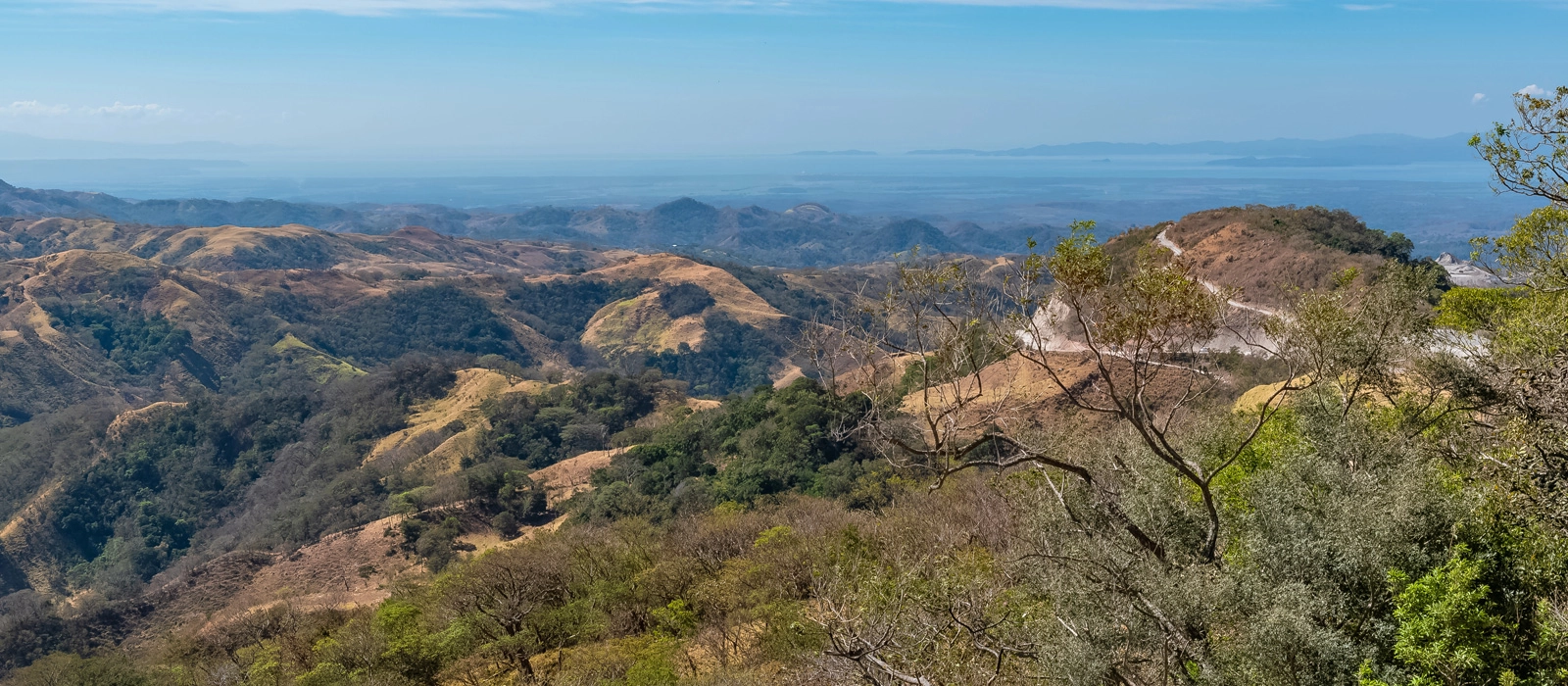
For a lot of American singles, Central America is the first place abroad that feels genuinely livable rather than just visitable. It is a two to five hour flight from most US hubs, it shares a time zone with half the country, and the cost of living lets a modest remote salary stretch into a life with a terrace on it. That combination has built real expat communities in San José, Panama City, Antigua, León and along the Pacific coast and where expat communities settle, expat dating follows.
Dating for expats in Central America is not simply American dating with better weather. The pace is different, the signals are different, and the assumptions you brought from home will get you into trouble faster than a mistranslated verb. Here is what actually works.
Why Central America is a soft landing for American singles
Three things make the region unusually forgiving for a first move abroad. Distance is the obvious one: a weekend trip back to Miami or Houston is a real option, which takes pressure off a new relationship in a way that a sixteen-hour flight never can. Overlapping time zones matter more than people expect if you are working US hours remotely, you and a local partner are awake at the same time, and neither of you is dating a person who only exists after midnight.
The third is cultural proximity. American music, sport and film are common currency across the region. You will not be starting a conversation from zero. That shared reference layer means a first date can be genuinely fun before your Spanish is any good.
Where the expat dating scene actually is
It is more concentrated than the map suggests. Costa Rica's Central Valley San José, Escazú, Santa Ana holds the largest professional expat population, skewing older and more settled. Panama City is the region's business capital and behaves like one. A genuinely international dating pool, plenty of people on multi year assignments, and the most "big city" dating culture in Central America.
Antigua, Guatemala draws a younger, more creative crowd language students, remote workers, people staying three months who end up staying three years. The Pacific coast towns of Nicaragua and Costa Rica run on surf and tourism seasons, which is worth knowing before you fall for someone in January and discover their lease ends in April.
Season check
- Coastal towns empty out in the green season — roughly May to November.
- Capital cities keep a stable, year-round dating pool.
- Ask early whether someone is on a tourist stamp, a residency track, or a company contract. It changes everything about what you are building.
Understanding local dating culture
The single biggest adjustment for Americans is courtship pace and clarity. In much of Central America, dating is more openly romantic and more explicitly directional. Interest is stated rather than hinted at. The vague American middle ground of hanging out, talking, seeing where it goes has a much smaller footprint here, and reading it as commitment free can genuinely hurt someone.
Family arrives earlier, too. Meeting parents and siblings is not the milestone it is in the States; it can happen within weeks and it means "you are being taken seriously," not "we are engaged." Sunday lunch is a real institution. Turn up, eat everything, learn the cousins' names.
Interest is stated, not hinted at. Vagueness reads as disrespect.
How much Spanish do you actually need?
Enough to be charming badly. You can date in English in Escazú or Panama City, but you will be limited to the slice of people who already speak it, a slice that skews toward those most used to dating foreigners, which is not always the slice you want. A hundred hours of Spanish moves you from "tourist" to "person making an effort," and in this region effort is the whole signal. Nobody expects fluency. Everybody notices trying.
The practical realities nobody puts in the brochure
- Income asymmetry is real. A US remote salary can be several times the local median. Be thoughtful about who pays for what, and be alert to a dynamic where you become a budget rather than a partner.
- Tourist visas are not a life plan. Most countries in the region cap visitors at 90 days. If things get serious, look into residency options early — Panama, Costa Rica and Belize all have workable routes.
- Safety is hyper-local. Conditions vary block by block, not country by country. A local partner will know things no travel advisory will tell you. Listen to them.
- Meet in public, tell a friend. The same rules that apply to online dating anywhere apply harder when you are new in town and do not yet know which neighborhoods are which.
Making it last past the honeymoon
The relationships that survive tend to share one trait: both people are honest early about the timeline. Are you here for a two-year contract or for good? Would you consider the US? Would they? Asking at month two feels awkward. Discovering the mismatch at month fourteen feels considerably worse.
The other quiet predictor is whether you build a life outside the expat bubble. If your entire social world is other Americans, your partner is permanently a guest in it. Join something local. A gym class, a Sunday league and the relationship stops being an expat adventure and starts being a life.
If Central America is on your shortlist, it is worth reading how the dynamics compare elsewhere: dating for expats in Asia runs on very different rules, and dating for expats in Europe is its own puzzle again. And if you are still deciding whether to do any of this, start with the case for finding love overseas.
Connecting flights
Read next
San José and Panama City are on the board tonight
Meet expats and locals in the Central American cities where our members actually live.
Join free and start matching